
Essays on Development & Education
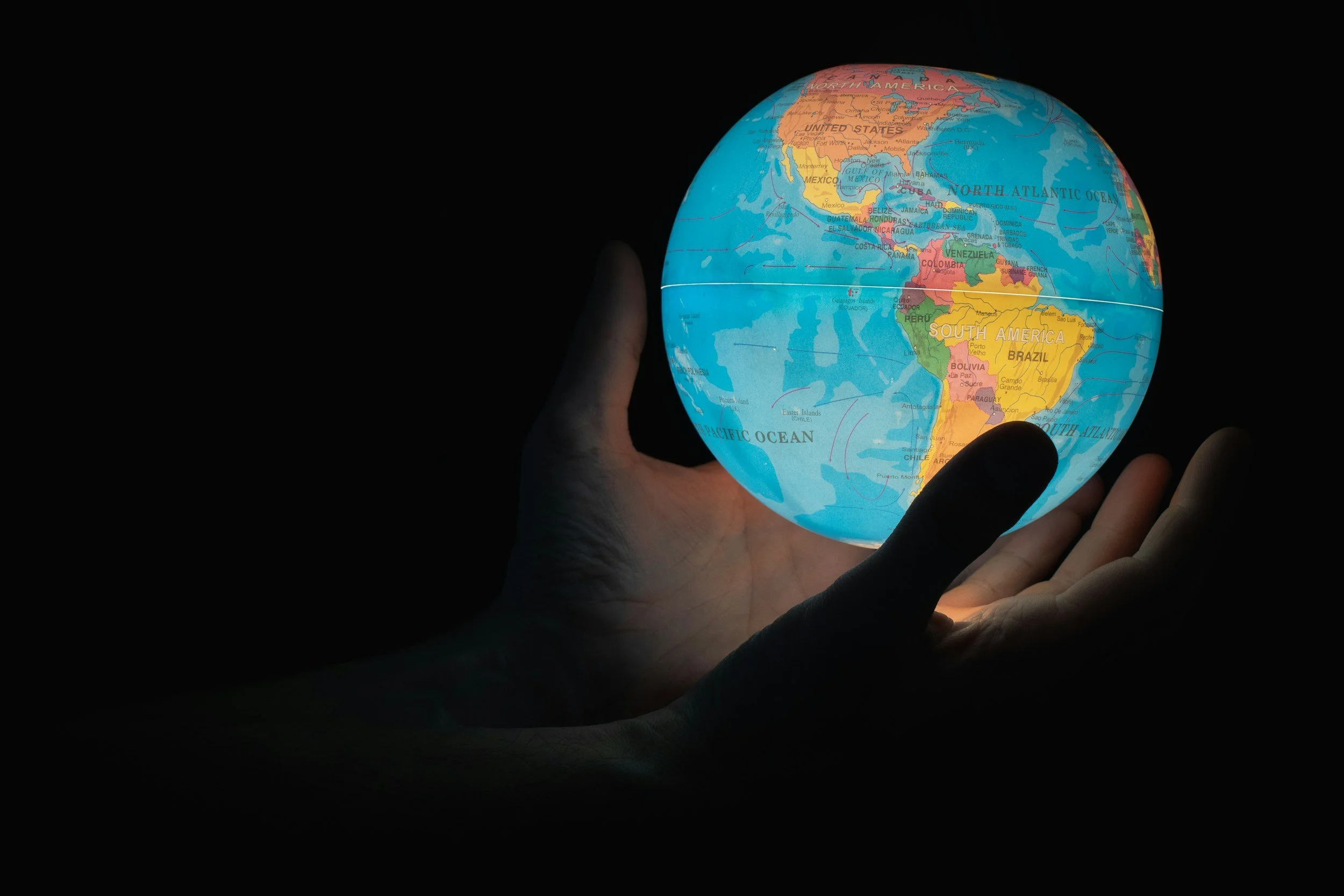
When Did the World Reorganize?
The edges had been there all along. Gravity. Meaning. Embodiment. Attention. Relationship. Symbol. Horizon. Promise. Participation. I had named each of them separately, in different studios, different rehearsal rooms, different conversations, different seasons. What I hadn't yet understood was that they were all describing features of the same territory.
The territory is time. Not clock time. Not the time that runs in one direction and can be measured and managed.
Regenerative Developmental Theory
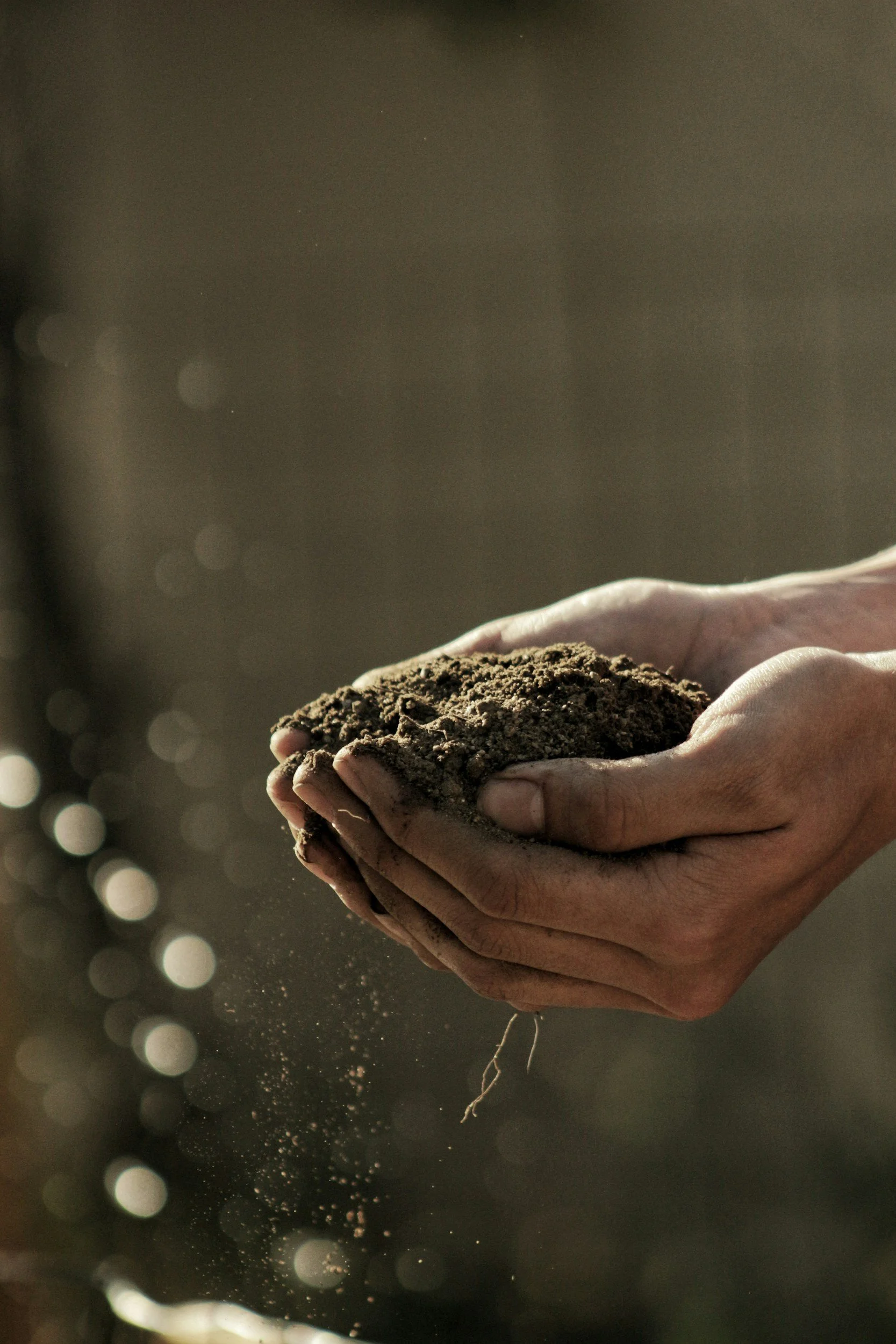
Regeneration is development that leaves both the individual and the larger relational field with greater capacity for future participation.
Regenerative Developmental Theory explores how children grow through embodied participation, relationship, symbolic meaning, and meaningful contribution. It asks how education can cultivate capacity without requiring children to abandon their bodies, perceptions, emotions, or inner sense of self in order to belong, succeed, or be understood.
The Minds That Power Chooses to Keep
A powerful institution openly recruits “exceptional neurodivergent talent” to build systems that help governments and corporations see patterns at scale. This essay asks what separates recognition from extraction—and whether we are learning to value human difference, or simply becoming more efficient at selecting the parts of humanity power can use.

Babel and the Body
Babel and the Body is an essay about language, fear, embodiment, and spiritual discernment.
Using the myth of Babel as a lens, it explores what happens when one language of explanation becomes total — whether that language is religious, psychological, mythic, or energetic. Demon, trauma pattern, archetype, and frequency are treated as partial grammars for human experience, each revealing something real and each becoming dangerous when mistaken for the whole.
At its heart, the piece asks how we can move between languages without being captured by them. It frames the feminine as the force that returns language to the body, and Inner Gravity as the felt orientation toward love and truth beneath every competing system.

What Holds Me
I live inside fields, some of them made me, some of them I am making. Knowing the difference is what I am working with.