

Essays on Development & Education

Developmental Ecology of Meaning
Developmental Ecology of Meaning describes the reciprocal process through which human beings develop inside layered environments, adapt to those environments, organize those adaptations into perception and meaning, and then participate in reshaping the conditions in which future development occurs.
Its central premise is simple:
Every human being develops inside an ecology.
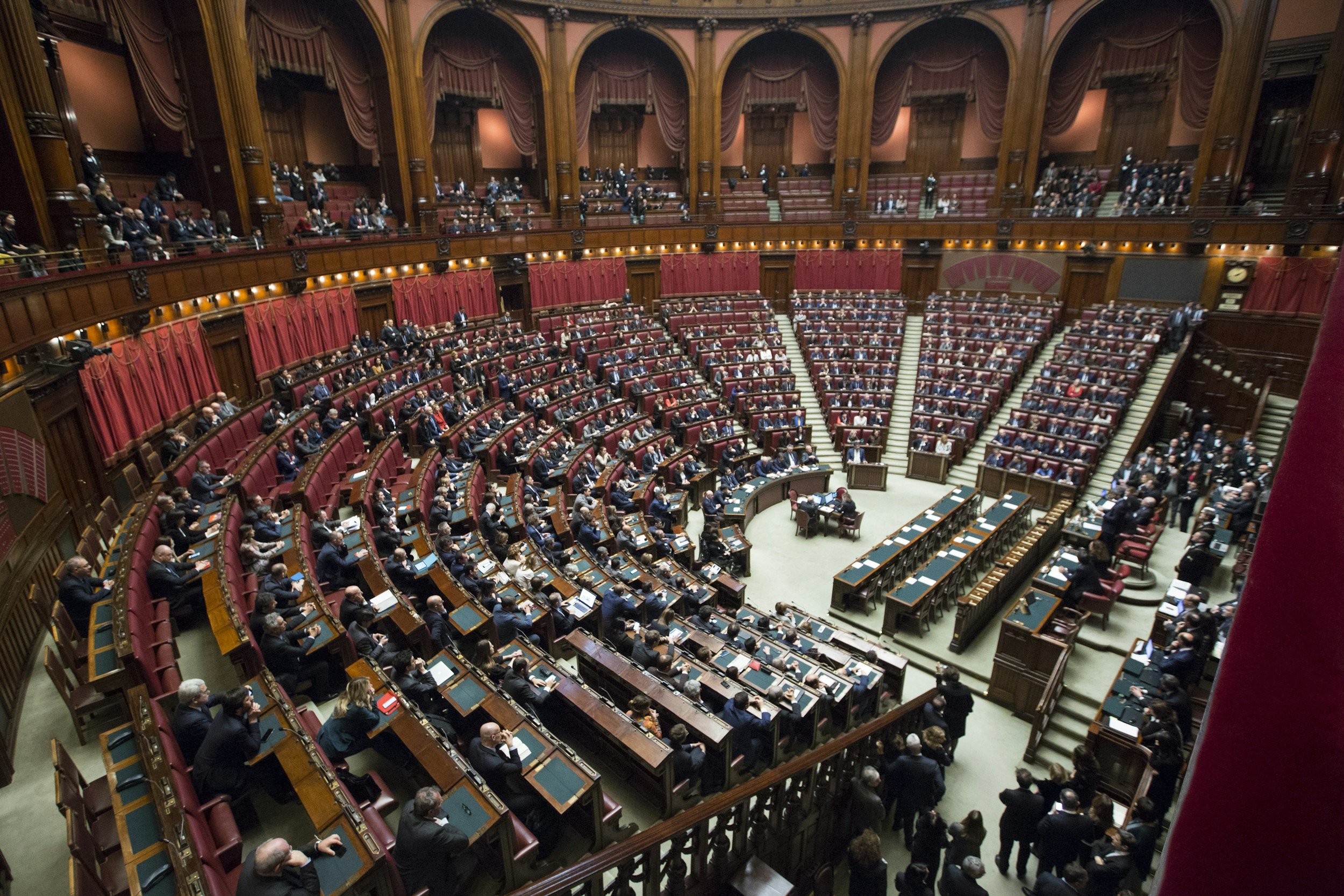
The Verb Beneath the Institution
Every system began as a living operation. What happens when we forget what it was built to do?
Before there was a church, someone prayed.
Before there was a school, a child watched an adult's hands and tried to copy them. Before there was a hospital, someone sat beside someone who was hurting and did not leave. Before there was a court, two people stood in front of their community and asked, what happened here, and what do we do now?
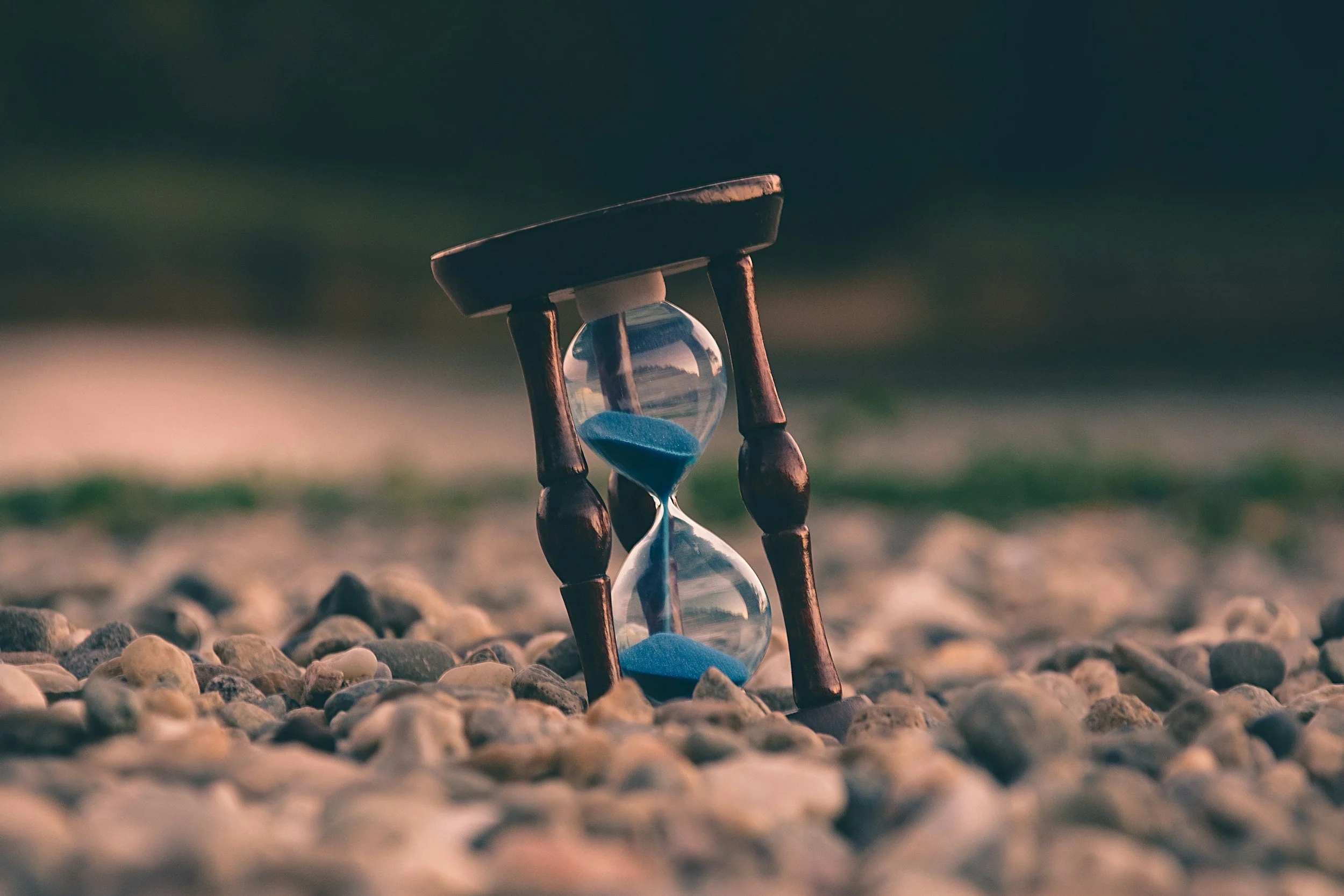
Who Bought Your Time?
On pre-sold life, temporal debt, and the strange luxury of an unclaimed afternoon.
There is a particular kind of wealth I don't think we talk about enough. An afternoon nobody has already purchased. Not vacation — vacation is often scheduled six months in advance, paid for with other hours, packed with expectations, and followed by an inbox waiting patiently to punish you for leaving. I mean something stranger. Time that arrives before anyone has decided what it is for.
I started thinking about this while considering what financial freedom actually buys. The obvious answers are safety, housing, healthcare, travel, comfort. All true. But underneath them is something more fundamental. Money buys back the ability to say no. And eventually, if you have enough of it, it can buy something even more valuable: the right to encounter your own time before allocating it.

EEF- Excess Energy And Frustration
For years I had a name for a feeling that I assumed was just mine.
I called it EEF: Excess Energy and Frustration.
It wasn’t anxiety. At least, it didn’t feel like anxiety.
It happened after days when I had done almost nothing. I’d spend hours sitting around watching movies or scrolling or simply existing without really moving my body. Eventually a strange sensation would arrive. My body felt like it was vibrating. Restless. Irritated. As if there were energy trapped inside me with nowhere to go.
The odd part was that I didn’t want to move.