

Essays on Development & Education

EEF- Excess Energy And Frustration
For years I had a name for a feeling that I assumed was just mine.
I called it EEF: Excess Energy and Frustration.
It wasn’t anxiety. At least, it didn’t feel like anxiety.
It happened after days when I had done almost nothing. I’d spend hours sitting around watching movies or scrolling or simply existing without really moving my body. Eventually a strange sensation would arrive. My body felt like it was vibrating. Restless. Irritated. As if there were energy trapped inside me with nowhere to go.
The odd part was that I didn’t want to move.
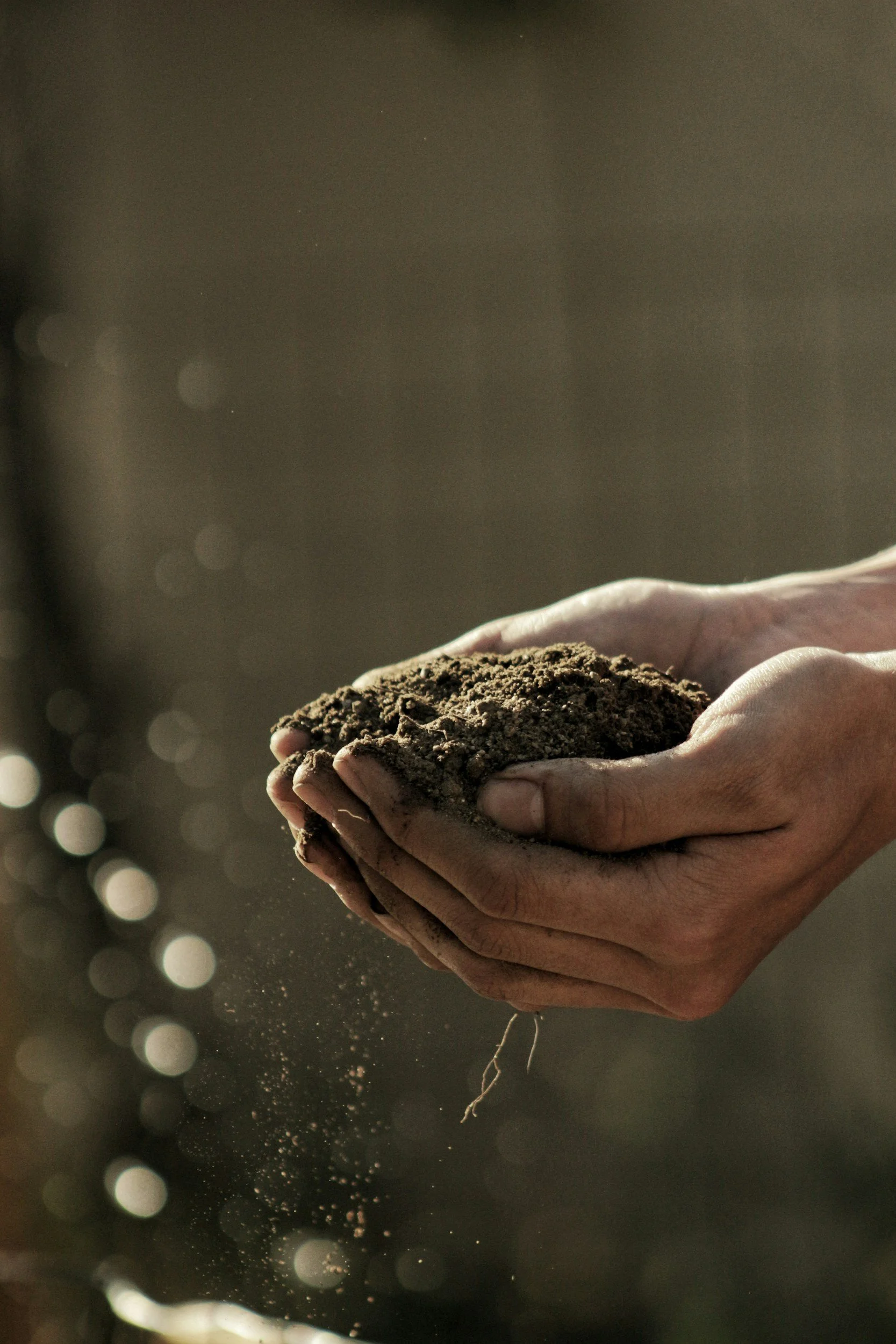
Regenerative Developmental Theory
Regeneration is development that leaves both the individual and the larger relational field with greater capacity for future participation.
Regenerative Developmental Theory explores how children grow through embodied participation, relationship, symbolic meaning, and meaningful contribution. It asks how education can cultivate capacity without requiring children to abandon their bodies, perceptions, emotions, or inner sense of self in order to belong, succeed, or be understood.
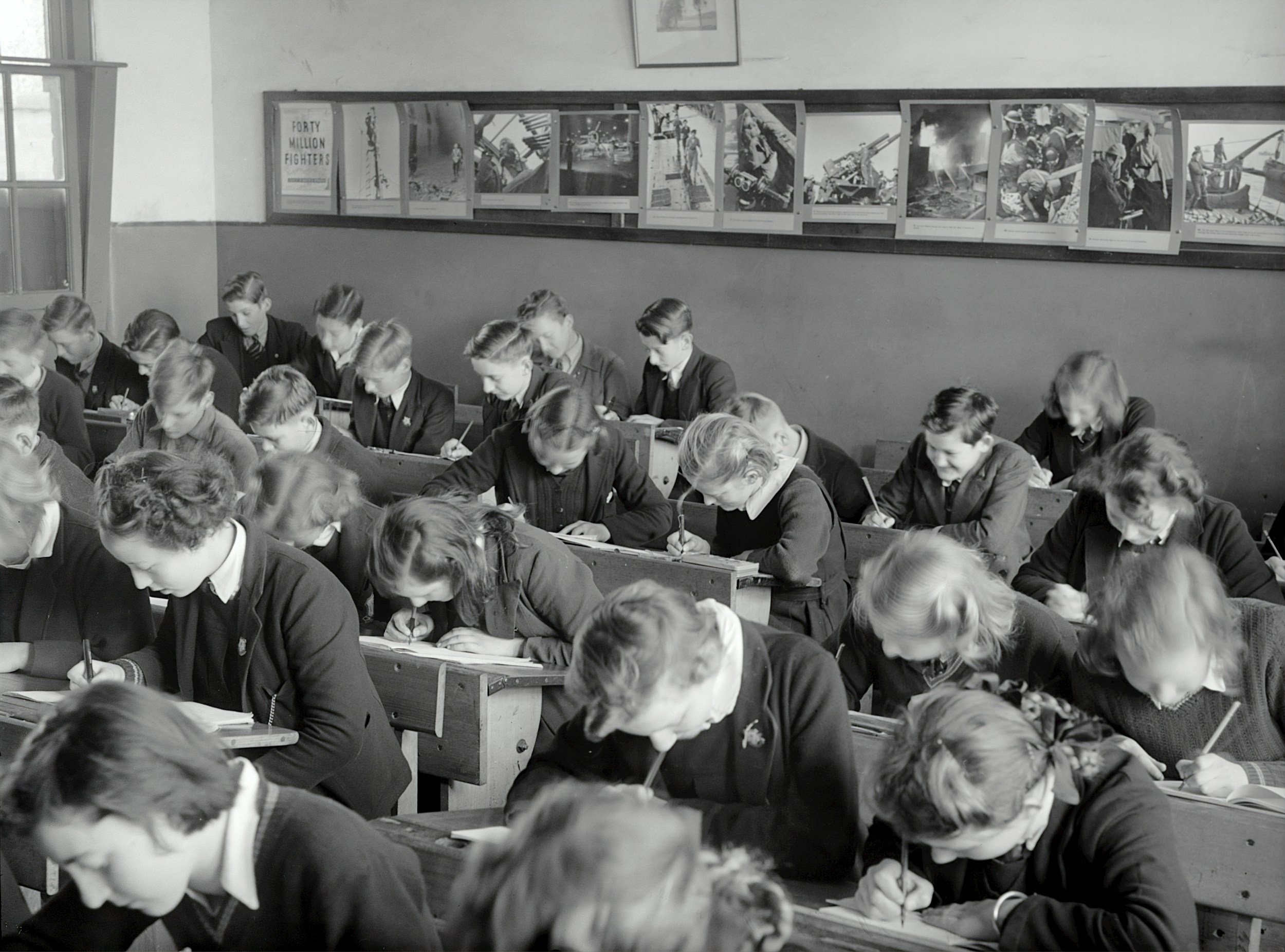
Children Are Paying for Our Abstraction
Children Are Paying for Our Abstraction
We built systems optimized for speed, scale, and symbolic exchange — and then we handed them to children. This essay argues that the cost is not appearing in intelligence or academic performance but in something harder to measure: the capacity for integration. The ability to stay present in a body, tolerate discomfort, and develop a self through direct encounter with reality. Drawing on thirty years of teaching children through movement and the experience of raising children inside one of Massachusetts' lowest-performing districts, this is an argument that what we are witnessing is not failure — it is precise adaptation to environments built for scale rather than for becoming human.