A Note on Myth and Symbolic Work
The myth is not the authority. It is a perspective.
We may enter through the symbol, but the work is to return — to the body, to relationship, and to the world we share.
How I Use Myth
Myth is one of the ways I study perspective. I do not use myths as literal explanations of reality, fixed codes, or proof of supernatural claims. I use them as lenses: symbolic structures that can help us notice dimensions of human experience that ordinary language does not always make visible.
This work is interpretive. Symbols do not have one permanent meaning, and no interpretation should replace evidence, practical judgment, bodily needs, professional care, or honest conversation with other people.
A Caution
Mythic work can be powerful, but it can also be slippery.
When we are exhausted, overwhelmed, isolated, frightened, or ungrounded, symbolic material can begin to feel more certain or more personal than it is. Metaphor can become confused with fact. Pattern recognition can become overextended. An illuminating image can harden into an identity or explanation that no longer remains open to reality.
This work is not about decoding secret messages or discovering a predetermined destiny.
It is not an invitation to treat every coincidence as instruction or every powerful feeling as proof. A living symbol should increase our capacity to meet reality. It should make us more curious, more embodied, more relational, and more willing to revise what we believe.
I Approach Myth by Asking
- What does this image help me see?
- What does it obscure?
- How does this interpretation affect my body, choices, and relationships?
- Does it return me to life with greater clarity and responsibility, or pull me farther away from shared reality?
Mythic and symbolic inquiry may not be useful for everyone. Anyone who finds this work destabilizing, obsessive, frightening, or difficult to separate from literal reality should step away from it and return to grounding relationships, ordinary routines, embodied practices, and appropriate professional support.
The myth is not the authority.
It is a perspective.
We may enter through the symbol, but the work is to return —
to the body, to relationship, and to the world we share.
Becca Sutter
Myth as Technology
A functional tool for changing what's possible to perceive
Myth is not a story about the past.
It is a structure for reading the present.
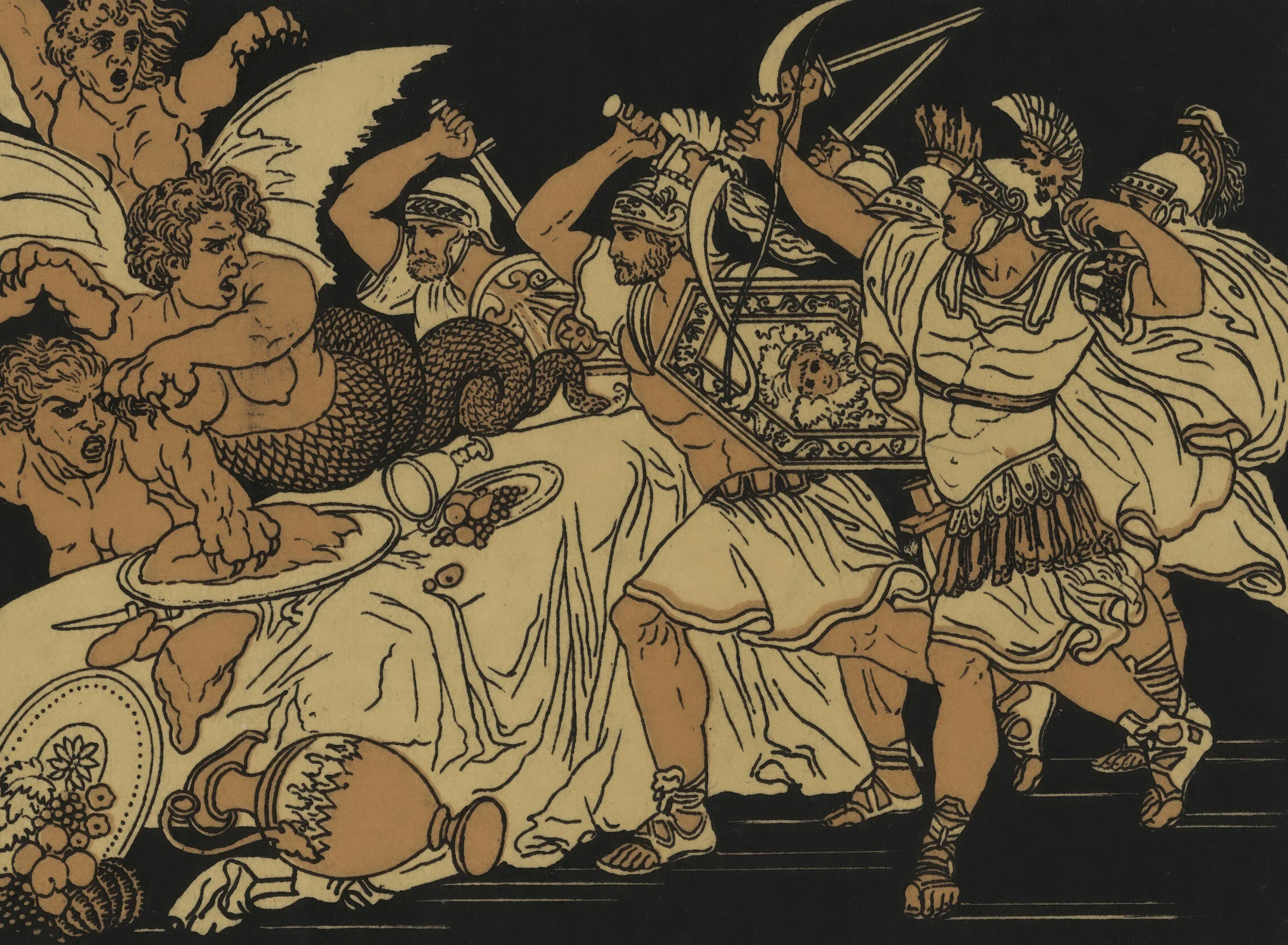
Every myth that has survived long enough to reach us carries a pattern of human experience so recurring, so fundamental, that it outgrew any one person's life and became shared language. The hero's descent. The woman who looked back. The prophet no one believed. The wound that becomes power.
These are not ancient entertainment. They are tools.
The personal becomes recognizable. The private becomes structural. What felt like your specific failure starts to look like a pattern that has moved through thousands of lives before yours.
That shift is not small. It is the difference between being trapped inside a story and being able to read it.
What myth does that other tools cannot
Holds contradiction
Myth holds opposites without collapsing them. It speaks to the body before the mind, giving the psyche a structure larger than the ego to organize around.
Changes perspective
It lifts you out of your personal narrative just enough to see its shape. Once you recognize the pattern, you have choices you didn't have before.
Enables rewriting
You can enter the myth and change it from inside — not to escape the story, but to locate where you are within it and move differently from there.
The myths I work with
Lot's Wife
The witness who looked back and became preservation
Medusa
The wound that grew teeth and became boundary
Cassandra
The one who saw clearly and was called mad
Sophia
The intelligence that fell and was blamed for falling
Lilith
The first refusal — written out before the story began
Eden
The original city — what was there before the revision
How I use it in practice
We enter the myth together
We find where you are inside it. And then — carefully, precisely — we rewrite from there. Not to escape the story. To change what's possible within it.
This is not analysis. It is not interpretation from the outside. It is entering the structure that is already organizing your experience and learning to move differently inside it.
That is the work.
Pattern Literacy →
Symbolic Literacy
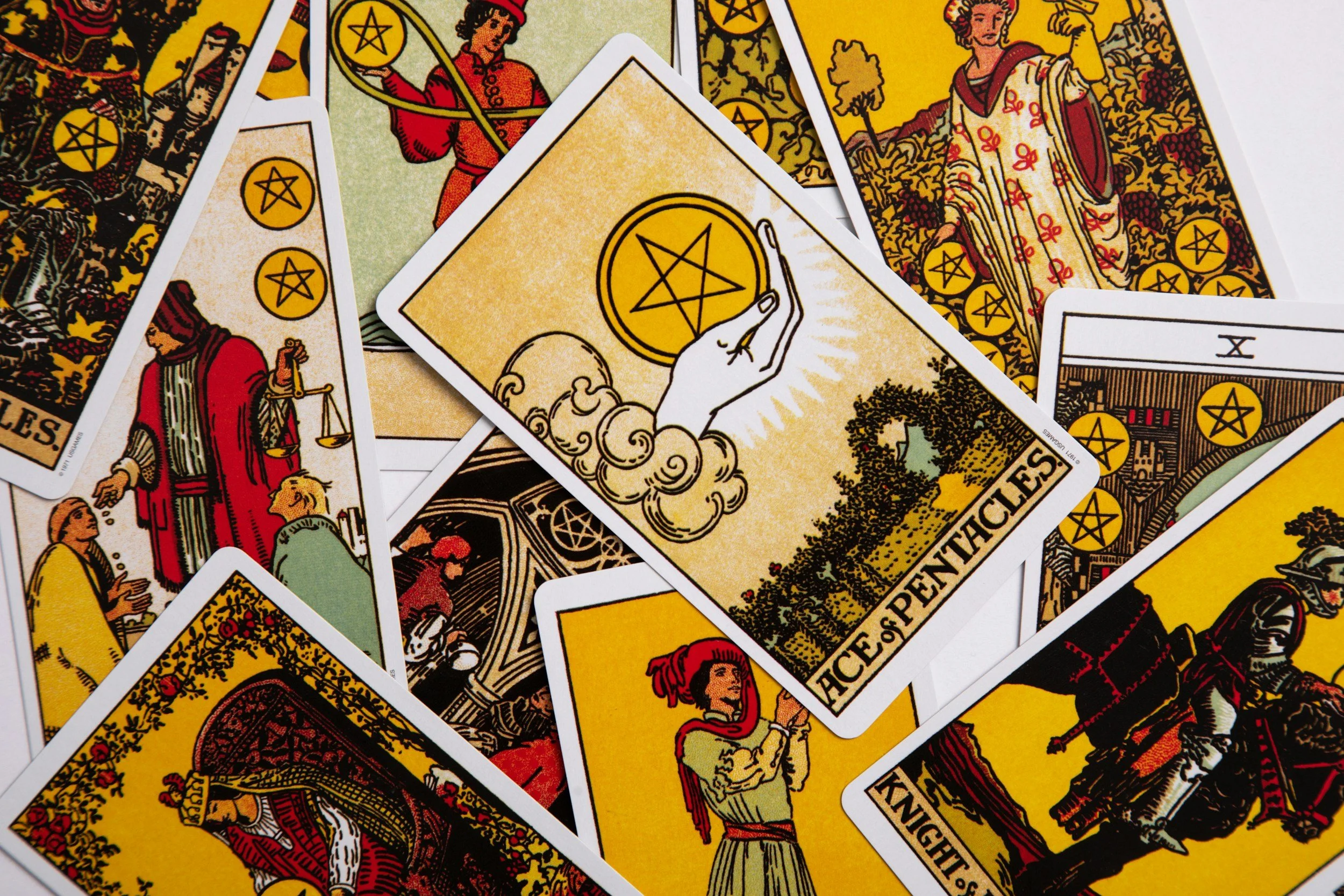
Tarot as a movement vocabulary
The psyche thinks in images. Not concepts, not language — images. And beneath images, movement. Quality, structure, direction, force.
Symbolic literacy is the ability to read that language. Not to decode it from the outside, but to recognize it from within — the way a dancer recognizes movement not by analyzing it but by feeling its quality in the body.
This is where tarot becomes a genuine tool. Not fortune-telling. Not divination. A structured vocabulary of archetypes and number — 78 symbols mapping the full range of human experience — each one carrying a distinct quality of movement.
The Tower isn't just an image of collapse. It's a quality of movement: sudden, vertical, clearing. The body knows that motion. The psyche knows that motion. The card names what's already in motion in your life.
What makes tarot structurally precise
Archetype
Each card carries an archetypal pattern — a structure of experience that recurs across cultures, nervous systems, and lives. You recognize it because it's already in you.
Number
Numerology gives each card a structural position — where it falls in a cycle, what it follows, what it precedes. Number is time made visible.
Motion
Each card has a quality of movement — not just a meaning. This is the entry point the body understands before the mind can name it.
What makes this different from interpretation is that the card arrives from outside your conscious agenda. You didn't choose it intellectually. That matters. The symbol that comes unbidden — like a dream, like an image that won't leave — lands differently than one you generated yourself.
It bypasses the rehearsed story. Something in the psyche responds before the narrative can reassert itself. The card gives the inner life a form to organize around — and organization, not insight, is often what moves things.
The offering
Pattern Reading
Tarot for Symbolic Literacy
A reflective session using tarot as a symbolic tool
We'll work with the pattern underneath your current question — what keeps returning, what has been left out, and what one honest next step looks like. This is not fortune-telling. It is a structured conversation using tarot as a symbolic tool to help you name what is repeating, notice what has been excluded, and choose one next honest step.
Book a session